
-
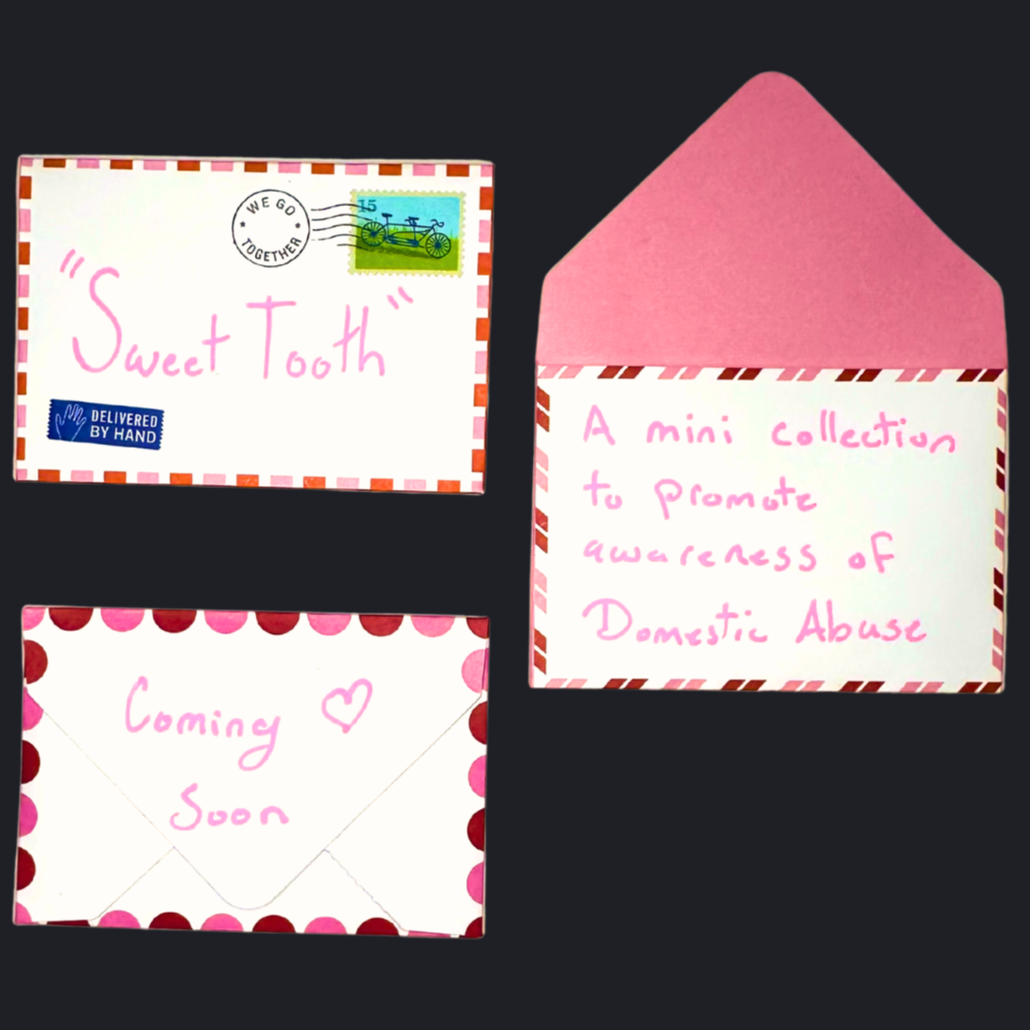
Domestic Abuse is a pattern of behaviors used to gain or maintain power and control over a partner. Multiple types of abuse usually occur in an abusive relationship. (The National Domestic Violence Hotline, n.d.).
Narcissistic Abuse a subtype of domestic abuse, that can be defined as the interpersonally harmful, deceitful, and invalidating patterns, behaviors, and alternation between disruptions of safety and trust and periods of normalcy and even enjoyment observed in any relationship with a person who has a personality style characterized my narcissism or antagonision.
These harmful behaviors allow the narcissistic person to assert control and dominance in the relationship and maintain a grandiose and distorted appraisal of themselves, while resulting in significant psychological damage to the other person in the relationship. (Durvasula, 2024, p. 42)
—————————————-
Physical abuse is any intentional, unwanted contact with you or something close to your body, or any behavior that causes or has the intention of causing you injury, disability, or death.
Emotional abuse includes non-physical behaviors that are meant to control, isolate, or frighten someone.
Sexual Abuse is when a partner controls the physical and sexual intimacy in a relationship. This often involves acting in a way that is non-consensual and forced.
Financial Abuse occurs when an abusive partner extends their power and control into your financial situation. (The National Domestic Violence Hotline, n.d.).
Examples Here → Types of Abuse
-
DARVO - Deny, attack, reverse victim and offender.
When the gaslighter positions themselves as the victim and flips blame onto the person being abused.
Word salad
When a person responds with words that don’t really mean anything often intended to create confusion, avoid answering, and maintain a sense of inferiority.
E.g. Victim says, “You are getting home late, long day at the office?” and the Abuser responds with something like, “You don’t respect my job, I sacrifice and sacrifice. You’ve never sacrificed like I have. I don’t ask what you do with your day. I work and I play. What’s his name? I provide for us. Who is he? Why don’t you respect my job.“
Signs you may be being gaslighted
Feeling the need to send long explanatory emails or messages
Giving long preludes before sharing
Feeling urges to record conversation
Being over-reliant on people’s feedback to assess your feelings
Feeling a need to put all communication in writing as proof (Durvasula, 2024, p. 46-56)
-
Being isolated from family and friends
Increase in anxiety
Reluctance to discuss relationship
Weight changes
Confusion
Constant Exhaustion
Sleep disturbances (nightmares)
Lost trust of self (second guessing “simple” decisions)
Over apologizing and constant fear of “getting in trouble” or “making mistakes”
Hypervigilance
Feeling worthless
Trauma Bond
(Despite the emotional pain the abuser is causing, you feel fiercely attached to them, often making excuses for their harmful behavior or being manipulated to feel responsible for their abusive treatment)
-
Seek Support:
National Domestic Abuse Hotline
1 -800-799-SAFE (7233)
Educate Yourself:
“It’s Not You” by Dr Ramani (
Stay Smart, to Stay Safe
-
Durvasula, R. (2024). It's not you: Identifying and healing from narcissistic people. The Open Field.
The National Domestic Violence Hotline. (n.d.). The National Domestic Violence Hotline. https://www.thehotline.org/
-
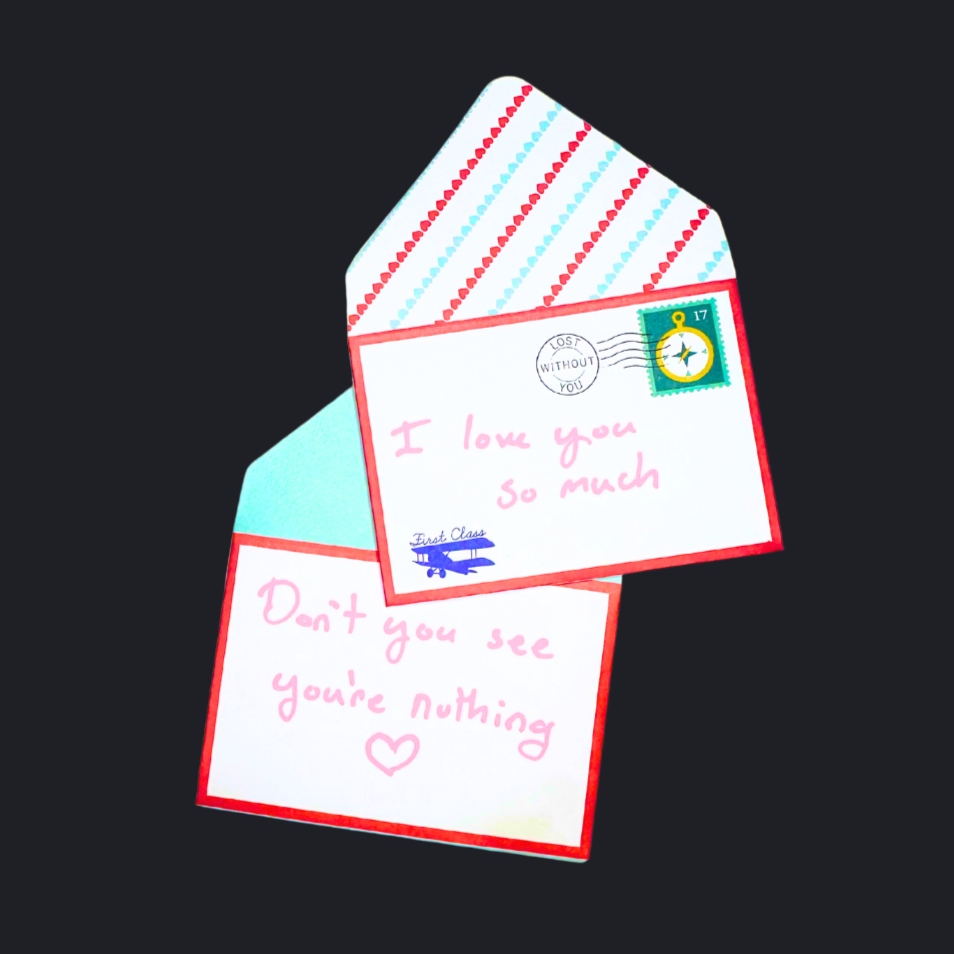
By design, victims of abuse are made to feel like the problem. The confusion and exhaustion created by the abusive person, can make it very difficult for victims to recognize they are being abused.
Common Tactics
Gaslighting
DARVO - Deny, Attack, Reserve Victim and Offender
Dimmer Patterns
Domination patterns
Disagreeable patterns - E.g baiting, blame shifting, criticizing, being contemptuous, humiliating
Speaking in “word salad”
Betrayl Patterns - E.g Lying, being unfaithful future faking
Deprivation Patterns - E.g Bread crumbing (Durvasula, 2024, p. 42)
Subtle Signs of Emotional Abuse
-
Your body may show you that you are in an abusive relationship or experiencing trauma before your mind is able to catch up to the reality of what is happening.
Health and Sleep Issues
Fatigue / Exhaustion
Sleep issues (insomnia, nightmares / night terrors)
Physical health issues (repeatedly getting sick)
Severe Stress Response
Flashbacks
Hypervigilance (being overly alert, constantly monitoring surroundings)
Hyperarousal (feeling on edge and jumpy)
Difficulty concentrating
Dissociation through numbing (mentally checked out, overworking)
Your Emotions
Depression
Grief
Irritability
Anxiety (Racing heart, shaking)
Apathy (Don’t care about anything)
Amotivation (Don’t want to do anything)
Anhedonia (No joy from doing anything that has been pleasurable in the past)
Feeling worthless
Suicidal thoughts ((Durvasula, 2024, p. 87)